AI for Business Growth: Practical Ways to Scale Smarter
Growth often means hiring, expanding, or spending more on advertising. Those moves still matter, but they’re expensive and don’t always fix the real problem. Sometimes a business simply needs to use its existing resources better.
That’s where AI for business growth becomes useful. It can spot patterns, handle repetitive work, and help teams respond faster. The value is practical: fewer missed opportunities and more time for human judgment.
Picture an online retailer preparing for its busiest season. Last year, popular items sold out while slower products filled the warehouse. This year, the team studies orders, returns, and seasonal behavior to plan stock more accurately. That smarter decision protects sales and cash flow.
Table of Contents
- Growth Starts With Clearer Decisions
- Start Where Work Gets Stuck
- Turn Customer Data Into Useful Action
- Make Sales and Marketing Less Wasteful
- Improve Customer Experience Without Losing the Human Touch
- Give Small Teams More Capacity
- Build a Plan the Business Can Actually Use
- Measure Progress in Business Terms
- Keep Human Judgment at the Center
- The Real Advantage Is Steady Improvement
Growth Starts With Clearer Decisions
Growing companies collect sales records, website activity, support conversations, stock levels, and campaign results. Yet much of that information sits in separate systems until something goes wrong.
AI can connect those signals and reveal useful patterns. A manager might discover that certain products sell together or that late deliveries increase refund requests. Each insight can guide a practical response.
This doesn’t mean handing decisions to software. A forecast may suggest that demand will rise, but an experienced manager knows whether a local event or supplier issue could change the outcome. The best decisions combine evidence with context.
Start Where Work Gets Stuck
It’s tempting to begin with the newest platform or the most impressive feature. I’d start somewhere less glamorous: the bottleneck.
Look for work that’s repetitive, slow, and tied to revenue or customer satisfaction. Staff may copy order details between systems, while sales leads wait days to reach the right representative.
Solving these problems can release real capacity. Imagine a service company receiving hundreds of inquiries each week. Instead of someone reading and forwarding every message, a classification system could route them immediately. Staff still handle the conversation, but customers reach the correct team faster.
That’s a strong first use case: the task repeats, the problem is clear, and routing time is easy to measure.
Turn Customer Data Into Useful Action
Businesses say they want to understand customers, yet data often becomes a dashboard nobody checks. It matters only when it changes an action.
Used carefully, AI can group customers by behavior. Two buyers may look similar, but one shops monthly while the other buys only during major discounts. Treating them identically wastes attention.
Behavior-based insight shows who needs support, may be ready for an upgrade, or appears likely to leave. If subscribers who stop using one feature often cancel, the company could offer a short guide or personal check-in instead of another generic promotion.
The goal isn’t tracking for its own sake. Businesses should collect only what they need, protect it properly, and explain how it’s used. Trust is part of growth, too.
Make Sales and Marketing Less Wasteful
More activity doesn’t guarantee more revenue. A sales team can send thousands of messages and still miss its best prospects. Marketing can stay busy without learning what influences a purchase.
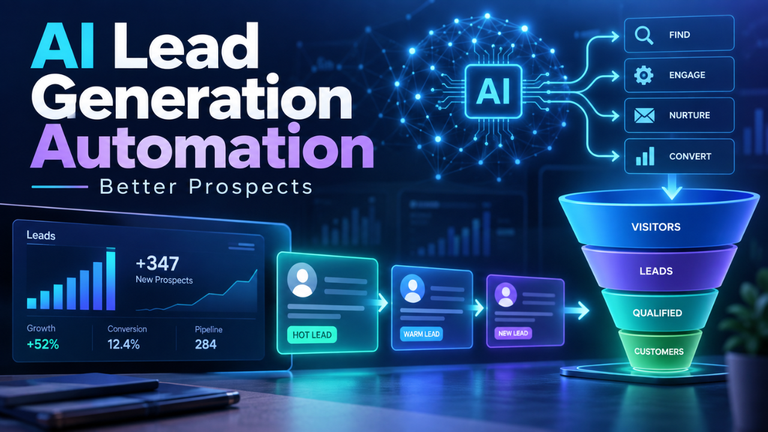
AI can highlight which inquiries need a quick response, which audiences engage with an offer, and where potential buyers tend to drop out.
Suppose a home-improvement company receives leads from search, social media, and referrals. Social may deliver the most leads, but referrals could produce more completed jobs and higher order values. That changes where the budget should go.
Personalization works when it reflects genuine intent. Someone reading beginner guides needs a different message from a visitor comparing prices. Relevance beats volume. Let’s be honest: nobody wants a “personal” email clearly sent to everyone.
Improve Customer Experience Without Losing the Human Touch
Fast service matters when customers need a simple answer. Automated support can handle routine questions about deliveries, appointments, or returns, leaving staff focused on harder cases.
But speed isn’t everything. A customer reporting a damaged order shouldn’t face an endless script. Sensitive, unusual, or urgent cases need an easy path to a person.
The balance is simple: automation handles repetition; people handle judgment, emotion, and exceptions. If customers must repeat their problem after a transfer, the experience feels broken despite the instant first response.
Recurring complaints can expose bigger issues. Repeated questions may signal an unclear website, while frequent support requests could reveal a product problem. Customer service then becomes a source of business improvement.
Give Small Teams More Capacity
For a small business, time is often the biggest constraint. One person may handle sales follow-ups, reports, supplier emails, and social content while important work waits.
AI can assist with drafts, meeting summaries, data cleanup, document searches, and basic checks. The employee remains responsible but doesn’t start every task from zero.
An operations manager might spend hours gathering numbers from four spreadsheets for a weekly update. Automating the collection leaves time to investigate rising returns or regional performance—not simply format a report.
There’s a catch. Faster output can create noise. Ten reports are useless when the team needs one clear decision. New capacity should support meaningful work.
Build a Plan the Business Can Actually Use
A sensible plan begins with a business problem, an owner, and a measurable outcome. “We need to use AI” isn’t a strategy. “We want to reduce lead response time without lowering service quality” is much closer.
Start with one process where reliable data already exists. Map how the work happens today, including delays, exceptions, and human approvals. Then test a narrow solution with a small group before expanding it. Early testing exposes weak data, unclear responsibilities, and awkward workflows while the cost of correction is still low.
Employees should be involved early. They usually know which parts of a process waste time and which exceptions could cause trouble. When a new system is dropped onto a team without explanation, people either resist it or use it incorrectly. When they help shape the workflow, adoption becomes far more natural.
Clear rules matter as well. Decide what information can be entered, which outputs require review, who is accountable for mistakes, and when a person must take over. These boundaries protect customers and give staff the confidence to use the system responsibly.
Measure Progress in Business Terms
A promising demonstration can be impressive without producing business value. The real test comes after launch.
Measure the result that justified the project. That could be response time, conversion rate, forecast accuracy, hours saved, order errors, customer retention, or cost per resolved request. Compare performance with the old process and watch quality as closely as speed.
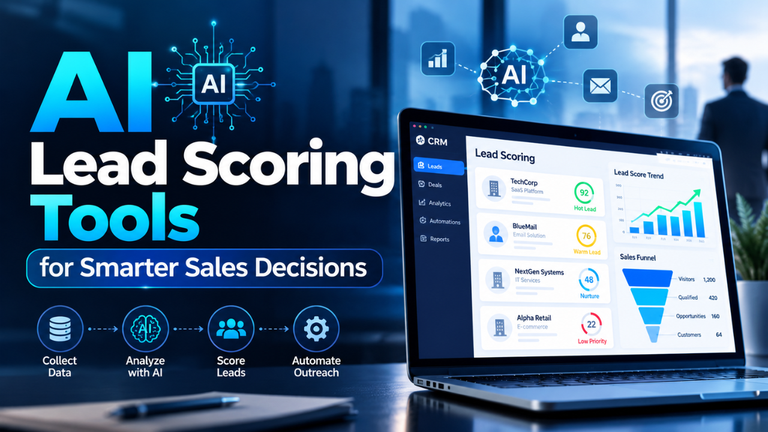
For example, an automated lead-ranking system may help representatives contact prospects faster. Good. But if it consistently overlooks smaller accounts that later become valuable, the ranking needs adjustment. One metric rarely tells the whole story.
Regular review is essential because customers, products, and market conditions change. A system that worked well six months ago may slowly become less accurate. Someone should own its performance, collect feedback, and decide when it needs updating or retirement.
Keep Human Judgment at the Center
AI is good at finding patterns and performing defined tasks at scale. It doesn’t understand a company’s values, relationships, or reputation the way its people do. That difference matters when decisions affect hiring, pricing, credit, complaints, or access to important services.
Human review shouldn’t be a ceremonial final click. Reviewers need enough information to question the output and the authority to override it. Teams should also test whether recommendations unfairly disadvantage certain customers or repeat problems hidden in historical data.
The strongest businesses won’t be the ones that automate everything. They’ll know what to automate, what to assist, and what should remain deeply human. Negotiating a sensitive partnership, coaching an employee, or rebuilding trust with a disappointed client requires more than efficiency.
The Real Advantage Is Steady Improvement
AI for business growth works best when it becomes part of everyday problem-solving. Start with a costly delay, a missed signal, or a repetitive task. Improve it. Measure the change. Learn from the result, then move to the next useful opportunity.
There’s no need for a dramatic transformation on day one. A faster response here, a more accurate forecast there, and a better customer handoff can compound into meaningful growth. The technology may power the change, but good judgment still decides where that change should lead.