Future Technology: Exploring the Innovations of Tomorrow
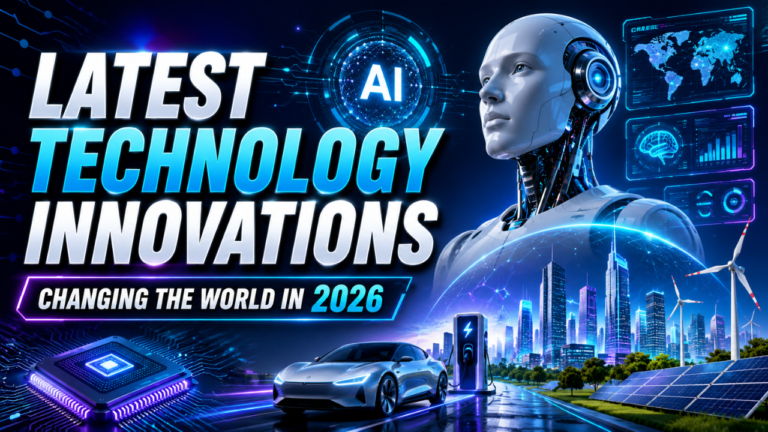
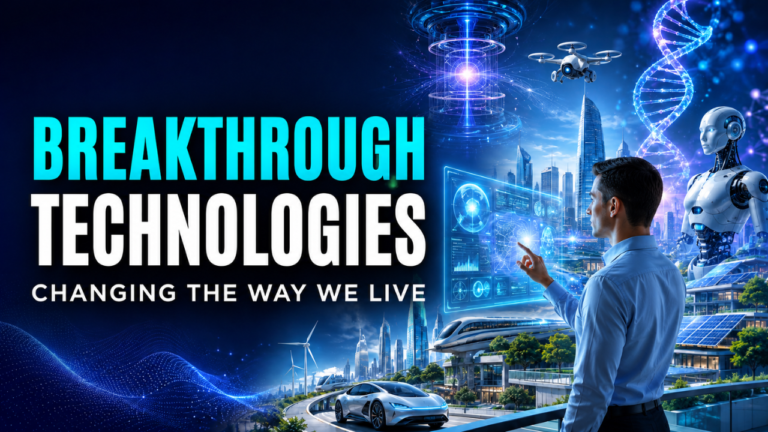
Technology has always changed the way people live, work, and communicate. But the pace of change today feels different. New ideas that once sounded impossible are becoming part of daily life faster than ever. From smarter healthcare to self-driving vehicles and intelligent homes, the future isn’t decades away—it’s already taking shape.
Think about how quickly smartphones became essential. Just a few years ago, paying with a phone or talking to a virtual assistant felt unusual. Now, it’s routine for millions of people. The same pattern is happening with the next wave of innovation.
The exciting part is that future technology isn’t only about flashy gadgets. It’s about solving real problems, making everyday tasks easier, and opening doors that weren’t possible before.
Table of Contents
- What Future Technology Really Means
- Artificial Intelligence Becomes More Personal
- Smarter Healthcare for Better Lives
- The Rise of Smart Cities
- Transportation Is Entering a New Era
- The Future of Work and Learning
- Sustainable Technology Takes Center Stage
- Space Technology Moves Beyond Exploration
- Everyday Life Will Feel More Connected
- Challenges That Come With Future Technology
- Final Thoughts
What Future Technology Really Means
When people hear the words future technology, they often imagine flying cars or robots doing everything for us. Reality is a bit different.
Future technology refers to innovations that improve how people solve problems, communicate, travel, create, and live. Some of these technologies already exist in early forms, while others are still developing.
The biggest difference today is speed. New ideas no longer take generations to spread. Once a useful technology proves itself, businesses and consumers adopt it much faster than before.
That’s why keeping an eye on emerging trends isn’t just interesting—it can also help people prepare for new careers, smarter investments, and changing lifestyles.
Artificial Intelligence Becomes More Personal
Artificial intelligence is already influencing search engines, online shopping, navigation apps, and customer support. The next stage will feel much more personal.
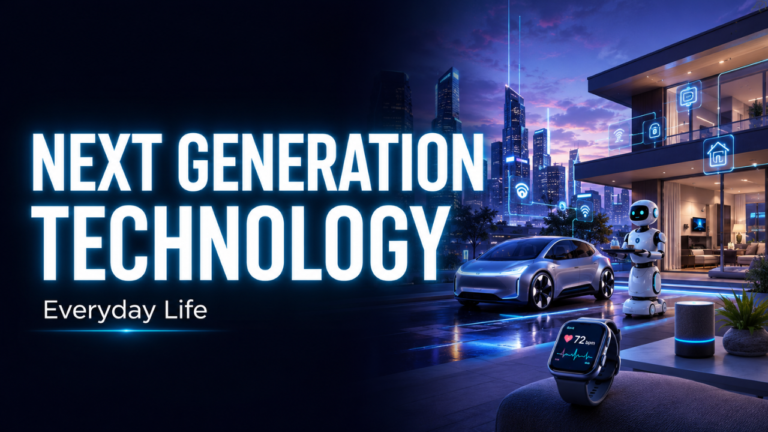
Imagine waking up and having your home automatically adjust the temperature, prepare your schedule, remind you about an appointment, and even suggest the fastest route to work because traffic changed overnight.
That isn’t science fiction anymore.
Businesses are also using intelligent systems to improve customer experiences, automate repetitive tasks, and analyze huge amounts of information in seconds.
Here’s the thing, though. Great technology enhances human abilities rather than replacing them. Human creativity, empathy, and decision-making will remain valuable no matter how advanced machines become.
Smarter Healthcare for Better Lives
Healthcare is one area where future technology could make an enormous difference.
Doctors already use advanced imaging systems and wearable devices to monitor patients more accurately. In the coming years, these tools are expected to become even more precise and accessible.
Picture someone wearing a smartwatch that notices unusual heart activity before they even feel symptoms. Instead of waiting for a medical emergency, they visit a doctor early and receive treatment before the condition worsens.
That’s a practical example of technology helping people stay healthier rather than simply treating illness afterward.
Medical research is also advancing faster thanks to improved computing power, better data analysis, and innovative laboratory technologies.
Patients may eventually receive more personalized treatments based on their individual health needs instead of relying on a one-size-fits-all approach.
The Rise of Smart Cities
Cities around the world are becoming more connected every year.
Traffic lights can already adapt to changing traffic patterns in some locations. Public transportation systems provide real-time updates. Energy grids monitor electricity usage more efficiently.
Now imagine these systems working together.
Streetlights could reduce power consumption when roads are empty. Garbage collection routes might automatically change based on full waste bins instead of following fixed schedules. Connected sensors throughout the city could help emergency services respond more quickly to incidents.
Small improvements like these may seem ordinary, but together they save time, reduce costs, and improve quality of life for millions of people.
Transportation Is Entering a New Era
Transportation has changed dramatically over the last century, and another major shift is already underway.
Electric vehicles continue gaining popularity because they’re quieter, produce fewer emissions, and often require less maintenance than traditional cars.
Self-driving technology is also making steady progress.
While fully autonomous roads may still take time, driver assistance features are already helping reduce accidents by warning drivers about obstacles, maintaining safe distances, and assisting with parking.
Flying taxis receive plenty of headlines, but they’re only one small piece of the picture.
The bigger story is creating transportation systems that are safer, cleaner, and more efficient for everyone.
The Future of Work and Learning
Workplaces are evolving just as quickly as technology itself.
Remote collaboration has become normal for many companies. Employees can work with teammates across different countries without leaving home.
Future technology will likely make these experiences even smoother.
Virtual meeting spaces may become more immersive, allowing people to interact almost as naturally as they would in the same office.
Education is changing too.
Students can access world-class courses from almost anywhere with an internet connection. Interactive simulations make complex subjects easier to understand than traditional textbooks alone.
Let’s be honest. Learning won’t stop after graduation anymore.
As industries continue changing, people will regularly update their skills throughout their careers. Continuous learning is becoming one of the most valuable habits anyone can develop.
Sustainable Technology Takes Center Stage
Climate concerns are encouraging businesses and governments to invest in cleaner technologies.
Renewable energy continues expanding through solar panels, wind farms, and improved battery storage systems.
Homes are becoming more energy-efficient through smart thermostats, automated lighting, and better insulation technologies.
Even manufacturing is changing.
Companies are exploring recycled materials, cleaner production methods, and ways to reduce waste across entire supply chains.
Future technology isn’t only about building new things. It’s also about building them more responsibly.
Consumers increasingly care about sustainability, and businesses are responding by developing products that use fewer resources while maintaining high performance.
Space Technology Moves Beyond Exploration
Space exploration has entered an exciting new chapter.
Private companies now work alongside national space agencies, accelerating innovation and lowering launch costs.
Satellites already support weather forecasting, navigation, communication, agriculture, and disaster monitoring.
As technology improves, future missions may focus on long-term lunar exploration, asteroid research, and eventually human missions deeper into space.
While these developments seem distant from everyday life, many technologies originally created for space have later improved life on Earth.
History suggests that future discoveries could have similar effects.
Everyday Life Will Feel More Connected
Most people won’t notice future technology arriving all at once.
Instead, everyday routines will gradually become more convenient.
Your refrigerator might remind you to buy groceries before essentials run out.
Home security systems could recognize unusual activity and instantly notify your phone.
Cars may automatically schedule maintenance appointments before mechanical problems become serious.
Shopping experiences will become more personalized, entertainment more interactive, and communication even more seamless.
These improvements often happen quietly.
Looking back several years later, people suddenly realize just how much daily life has changed.
Challenges That Come With Future Technology
Every major innovation creates new opportunities alongside new responsibilities.
Privacy remains one of the biggest concerns.
As more devices collect information, protecting personal data becomes increasingly important. Businesses, governments, and technology companies must continue strengthening cybersecurity while respecting user privacy.
Another challenge involves workforce changes.
Some jobs will evolve or disappear as automation expands, while entirely new careers will emerge. Preparing workers through education and skill development will play a major role in helping societies adapt successfully.
Access is another important issue.
Not every community benefits from new technologies at the same pace. Expanding reliable internet access, digital education, and affordable technology can help reduce these gaps.
Progress works best when more people can participate in it.
Final Thoughts
Future technology isn’t about replacing human life. It’s about improving it.
Some innovations will arrive faster than expected, while others may take years to become practical. Either way, the direction is clear. Technology will continue shaping healthcare, education, transportation, communication, business, and everyday routines in ways that are becoming more connected and more intelligent.
The smartest approach isn’t trying to predict every invention perfectly. It’s staying curious, continuing to learn, and remaining open to change.
The future has always belonged to people willing to adapt—and that hasn’t changed.